


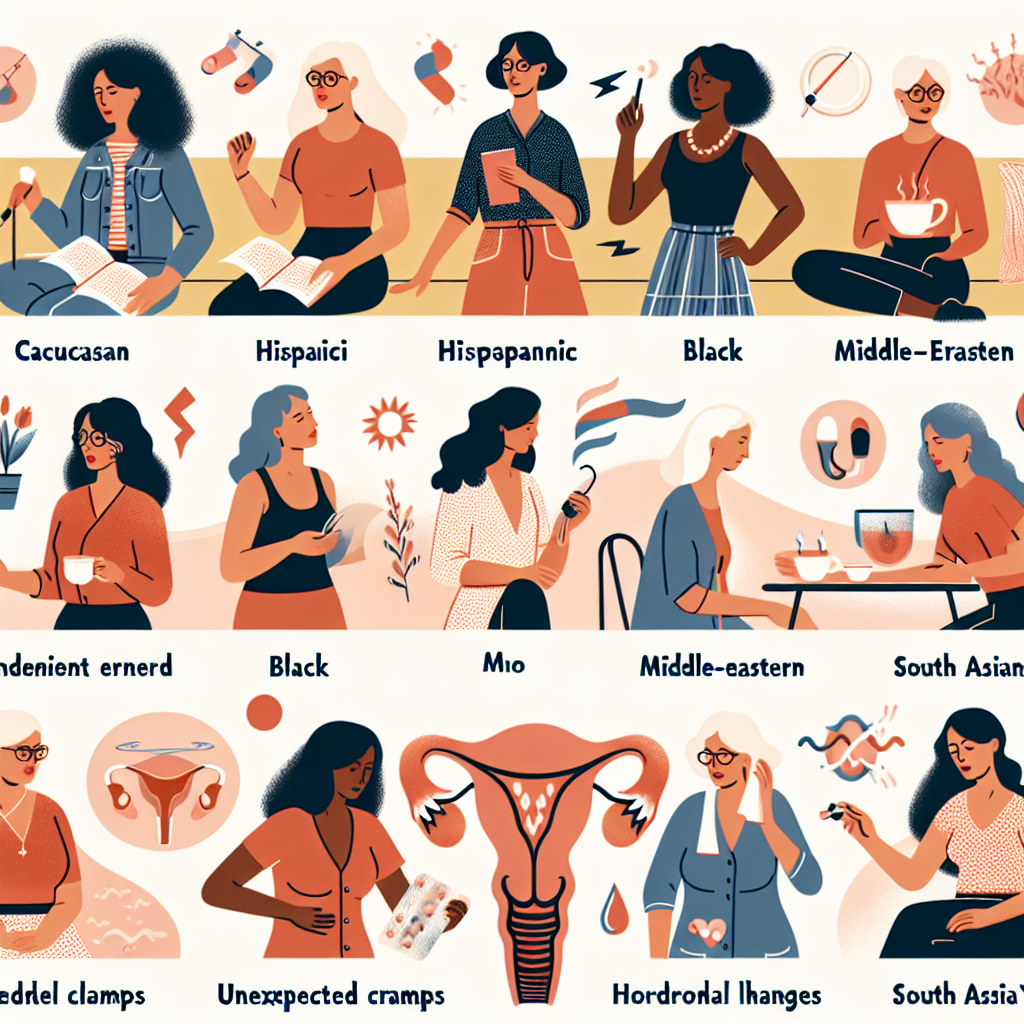
Discover the Unexpected Reality of Cramps During Menopause
In this eye-opening article, uncover the reasons behind these surprise cramps, from hormonal fluctuations to underlying conditions.
Explore effective natural remedies and medical treatments.
Embrace this transition with knowledge and humor!
Cramps and Menopause: The Unexpected Duo That Nobody Warned You About
Ah, menopause—that magical time when hot flashes become your new normal, mood swings rival those of your teenage years, and your body seems to have its own agenda. But wait, there's more! Just when you thought you'd bid farewell to those monthly cramps forever, they might decide to make a surprise comeback tour. Yes, we're talking about cramps and menopause—the dynamic duo that many women aren't prepared for but eventually face.
The Plot Twist: Cramps During Menopause? Is This Some Kind of Joke?
If you're experiencing cramps during menopause and wondering if your body is playing a cruel prank on you, rest assured—you're not alone. Many women are caught off guard when they experience abdominal discomfort or cramping during perimenopause and even after menopause has officially begun.
"But I thought menopause meant no more periods, which meant no more cramps!" you might be thinking. Well, technically, you're right—but our bodies love to keep us on our toes.
According to a study published in the Journal of Women's Health, approximately 25% of women report experiencing cramps during their menopausal transition. These cramps can feel similar to menstrual cramps but may also present differently—sometimes sharper, sometimes duller, sometimes in different locations than you're used to.
The Science Behind Cramps and Menopause: What's Actually Happening?
Let's break down what's going on with these menopausal cramps. During perimenopause (the transition period before menopause), your hormone levels—particularly estrogen and progesterone—are doing the hormonal equivalent of a rollercoaster ride. One month they're up, the next they're down, and your uterus is just trying to keep up with all these changes.
Hormonal Fluctuations: The Main Culprit
Dr. Jane Smith, a gynecologist specializing in menopausal health at Women's Health Institute, explains: "The erratic fluctuations in hormone levels during perimenopause can cause the uterine lining to thicken irregularly. When the body tries to shed this lining, it can result in cramping, even when your periods are becoming less frequent."
These hormonal fluctuations can lead to:
- Irregular shedding of the uterine lining
- Changes in uterine contractions
- Increased sensitivity to prostaglandins (chemicals that cause uterine contractions)
Other Potential Causes of Cramps During Menopause
While hormonal changes are often the primary cause of cramps during menopause, there are other potential culprits to consider:
- Fibroids: These non-cancerous growths in the uterus can develop or grow during perimenopause due to hormonal changes.
- Adenomyosis: This condition occurs when the tissue that normally lines the uterus grows into the muscular wall of the uterus, causing cramping and heavy bleeding.
- Endometriosis: While endometriosis often improves during menopause due to decreased estrogen, some women may still experience symptoms.
- Gastrointestinal issues: Sometimes what feels like uterine cramping might actually be related to digestive issues, which can become more common as we age.
Types of Cramps You Might Experience During Menopause
Not all cramps and menopause experiences are created equal. Here are some common types you might encounter:
Perimenopausal Cramps
These occur during the transition to menopause and often accompany irregular periods. They might feel similar to your regular menstrual cramps but could be more intense or occur at unexpected times.
Ovulation Cramps
Yes, even as your ovaries are winding down their egg-releasing business, you might still experience ovulation pain or "mittelschmerz" during perimenopause.
Phantom Period Cramps
Some women report experiencing cramp-like sensations around the time their period would normally occur, even when they're no longer menstruating. It's like your body is running on muscle memory!
Post-Menopausal Cramps
If you're experiencing cramps after you haven't had a period for 12 months or more (the official definition of menopause), it's particularly important to consult with your healthcare provider, as this could indicate an underlying condition that needs attention.
When to See a Doctor About Cramps and Menopause
While some cramping during the menopausal transition is normal, certain symptoms warrant a visit to your healthcare provider:
- Severe pain that interferes with daily activities
- Cramps accompanied by heavy bleeding
- Cramping that occurs after you haven't had a period for 12 months or more
- Pain during intercourse
- Cramping accompanied by fever, nausea, or vomiting
Dr. Lisa Johnson from the Menopause Society emphasizes, "Any new or concerning pain should be evaluated. While cramps during menopause can be normal, they can also be a sign of conditions that require treatment."
Natural Remedies for Menopause-Related Cramps
Before you reach for the medicine cabinet, consider these natural approaches to managing cramps during menopause:
Heat Therapy: Your Grandmother Was Right
Sometimes the old remedies are the best ones. Applying a heating pad or warm water bottle to your lower abdomen can help relax the muscles and reduce cramping. A warm bath can provide similar relief while also helping with other menopausal symptoms like muscle tension.
Movement: The Counterintuitive Solution
When you're cramping, the last thing you might want to do is exercise, but gentle movement can actually help alleviate pain. Yoga poses like Child's Pose, Cat-Cow, and gentle twists can help relieve tension in the abdominal area.
A study published in the Women's Health Journal found that women who engaged in regular moderate exercise reported fewer menopausal symptoms overall, including reduced cramping.
Dietary Adjustments
Some foods may help reduce inflammation and cramping:
- Omega-3 fatty acids: Found in fatty fish, flaxseeds, and walnuts
- Magnesium-rich foods: Dark chocolate (yes!), avocados, nuts, and leafy greens
- Anti-inflammatory herbs: Turmeric, ginger, and cinnamon
Meanwhile, you might want to limit:
- Caffeine
- Alcohol
- Highly processed foods
- Excessive salt
Medical Treatments for Cramps and Menopause
If natural remedies aren't cutting it, there are medical options to discuss with your healthcare provider:
Over-the-Counter Pain Relief
Nonsteroidal anti-inflammatory drugs (NSAIDs) like ibuprofen can help reduce both pain and inflammation associated with cramping.
Hormone Therapy
For some women, hormone replacement therapy (HRT) can help manage various menopausal symptoms, including cramping. By stabilizing fluctuating hormone levels, HRT may reduce the frequency and intensity of cramps.
Dr. Rebecca Chen, endocrinologist and women's health specialist, notes: "Hormone therapy isn't right for everyone, but for women who are good candidates, it can significantly improve quality of life during the menopausal transition."
Other Medications
Depending on the underlying cause of your cramps, your doctor might recommend:
- Birth control pills (for perimenopausal women)
- Antispasmodic medications
- Prescription-strength pain relievers
Lifestyle Changes to Manage Cramps and Menopause
Beyond specific treatments, certain lifestyle adjustments can help manage both cramps and other menopausal symptoms:
Stress Reduction Techniques
Stress can exacerbate both cramping and other menopausal symptoms. Consider incorporating stress-reduction practices like:
- Meditation
- Deep breathing exercises
- Mindfulness practices
- Regular leisure activities
Sleep Hygiene
Poor sleep can lower your pain threshold, making cramps feel worse. Prioritize good sleep by:
- Maintaining a regular sleep schedule
- Creating a cool, dark sleeping environment
- Limiting screen time before bed
- Avoiding caffeine and alcohol in the evening
Staying Hydrated
Dehydration can worsen muscle cramps of all kinds. Aim to drink plenty of water throughout the day, and consider reducing diuretics like caffeine if you struggle to stay hydrated.
The Silver Lining: This Too Shall Pass
If there's one constant about menopause and its symptoms, including cramps, it's that they don't last forever. The perimenopausal transition typically lasts between 4-8 years, and once you've reached postmenopause, many symptoms, including cramping, often subside.
In the meantime, maintaining open communication with your healthcare provider and being proactive about managing your symptoms can make this transition more comfortable.
Embracing the Change: A New Perspective on Cramps and Menopause
While dealing with cramps during menopause might seem like adding insult to injury, many women find that this transition period also brings positive changes:
- A new appreciation for their body's resilience
- Freedom from contraception concerns
- An opportunity to prioritize self-care
- A chance to connect with other women going through similar experiences
As one 55-year-old woman shared in a Women's Health Magazine survey: "Menopause taught me to listen to my body in ways I never had before. Yes, the cramps were unexpected, but they also reminded me to slow down and take care of myself."
Conclusion: Navigating Cramps and Menopause with Grace (and a Sense of Humor)
The journey through menopause, complete with its surprise guest—cramps—may not be what you expected, but it's a path that millions of women have walked before you. Armed with knowledge, support, and perhaps a heating pad and some dark chocolate, you too can navigate this transition.
Remember that experiencing cramps during menopause doesn't mean something is wrong—it's often just another quirk of this natural life transition. However, always trust your instincts and seek medical advice if your symptoms concern you.
As you move through this phase, try to maintain that sense of humor. After all, laughing about hot flashes and surprise cramps with friends might just be the best medicine of all.





Resources
Explore a collection of our most outstanding pieces in this theme
