


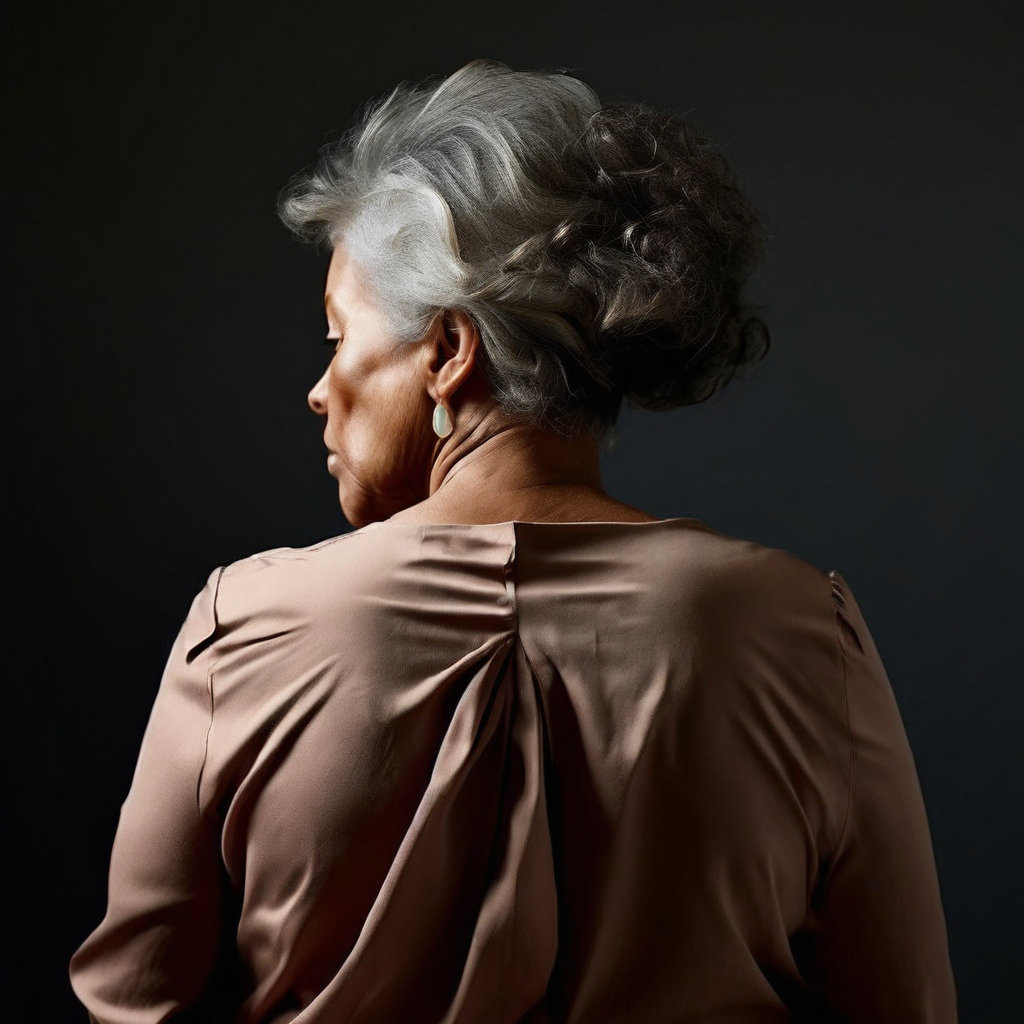
Understanding Heavy Periods During Menopause
Heavy periods during menopause can feel like a shocking twist in the journey to the end of menstruation. These unexpected flows can be distressing and confusing for many women.
Why Do These Unexpected Flows Occur?
Hormonal changes during menopause can lead to variations in menstrual flow. This section will explore the underlying reasons for these heavy periods.
How to Manage Heavy Periods
Managing heavy periods can involve various strategies. Here are some practical tips:
- Keep track of your menstrual cycle.
- Use appropriate menstrual products designed for heavy flow.
- Consider lifestyle changes, such as diet and exercise.
- Consult with your healthcare provider for personalized advice.
When to Seek Help
It's important to know when to seek medical help. If you experience severe pain, exceptionally heavy bleeding, or any other concerning symptoms, contact your healthcare provider.
You’re Not Alone
Many women experience heavy periods during menopause. Remember, you are not alone in this—explore practical tips and treatment options to navigate this challenging phase.
When the Floodgates Open: Navigating Heavy Periods During Menopause
Ladies, let's talk about something many of us experience but few discuss openly: heavy periods during menopause. Yes, that time when you thought your reproductive system would gradually wind down like a gentle sunset, but instead, it decides to throw one last spectacular (and not in a good way) fireworks display. If you've found yourself wondering, "Shouldn't these be getting lighter, not turning into the Red Sea?" – you're not alone.
The Menopause Paradox: Why Heavy Periods Happen When You Least Expect Them
Menopause – that magical time when your body decides to completely rewrite its hormonal rulebook. While many women expect their periods to simply fade away, approximately 25% of women actually experience heavier-than-normal flows during perimenopause, the transitional phase leading to menopause.
Dr. Marjorie Green, a gynecologist specializing in menopausal health, explains: "Heavy periods during menopause might seem counterintuitive, but they're actually quite common. As estrogen and progesterone levels fluctuate unpredictably, the uterine lining can build up more than usual before shedding, resulting in heavier bleeding."
What Exactly Constitutes "Heavy"?
Before we dive deeper, let's clarify what "heavy periods during menopause" actually means. Clinically speaking, menorrhagia (the medical term for heavy menstrual bleeding) is defined as:
- Bleeding that lasts longer than 7 days
- Soaking through one or more pads or tampons every hour for several consecutive hours
- Needing to double up on protection (pad plus tampon)
- Passing blood clots larger than a quarter
- Restricting daily activities due to heavy flow
- Experiencing symptoms of anemia like fatigue or shortness of breath
If you're nodding your head thinking, "That's me!" – it's time to pay attention.
The Hormone Rollercoaster: Understanding the Science Behind Heavy Periods During Menopause
During perimenopause, your ovaries don't just shut down overnight. Instead, they begin producing less estrogen and progesterone in an erratic fashion. This hormonal chaos can lead to:
Anovulatory Cycles
"Many perimenopausal cycles are anovulatory, meaning no egg is released," explains Dr. Sarah Johnson from the Women's Health Research Institute. "Without ovulation, the normal progesterone rise doesn't occur, which can lead to an overgrowth of the uterine lining and subsequently heavier periods when that lining is finally shed."
Estrogen Dominance
When progesterone levels drop faster than estrogen, you can experience a state of relative estrogen dominance. This imbalance often results in a thicker uterine lining and – you guessed it – heavier periods during menopause.
Structural Changes
As we age, some women develop uterine polyps, fibroids, or adenomyosis – all conditions that can contribute to heavier bleeding. These structural changes often coincide with the perimenopausal transition, creating a perfect storm for heavy flows.
When to Wave the White Flag and Call Your Doctor
While heavy periods during menopause are common, they're not something you should simply endure. Here are signs it's time to consult a healthcare provider:
- Bleeding that soaks through protection within an hour, repeatedly
- Periods lasting longer than 7 days
- Bleeding between periods
- Severe pain accompanying heavy bleeding
- Feeling dizzy or extremely fatigued
- Passing clots larger than a quarter
Dr. Lisa Patel, gynecologist and author of "The Menopause Transition," emphasizes: "Heavy bleeding during perimenopause should never be dismissed as 'just part of getting older.' It can significantly impact quality of life and sometimes indicates underlying conditions that need treatment."
The Detective Work: Diagnosing the Cause of Heavy Periods During Menopause
If you're experiencing heavy periods during menopause, your healthcare provider might recommend several diagnostic approaches:
Physical Examination
A pelvic exam can help identify structural issues like fibroids or an enlarged uterus.
Ultrasound
This imaging technique provides a clearer picture of what's happening inside your uterus and can detect fibroids, polyps, or unusual thickening of the uterine lining.
Endometrial Biopsy
A small tissue sample from your uterine lining can rule out precancerous or cancerous changes – an important step, especially for women over 45 experiencing heavy bleeding.
Blood Tests
These can check for anemia, thyroid disorders, or bleeding disorders that might contribute to heavy periods during menopause.
Your Arsenal: Treatment Options for Heavy Periods During Menopause
The good news? You have options! Treatments for heavy periods during menopause range from simple lifestyle adjustments to medical interventions:
Hormonal Treatments
Hormonal options can help regulate your cycle and reduce bleeding:
- Hormonal IUDs: These release progestin locally in the uterus, often reducing bleeding significantly or stopping it altogether.
- Birth control pills: Combined oral contraceptives can stabilize the uterine lining and provide more predictable periods.
- Progesterone therapy: Taking progesterone for 10-14 days each month can help balance estrogen and reduce heavy bleeding.
Non-Hormonal Medications
If hormones aren't your preference, consider:
- Tranexamic acid: This medication helps blood clot more effectively and can reduce bleeding by up to 50%.
- NSAIDs: Anti-inflammatory medications like ibuprofen not only help with cramps but can reduce flow by 20-40%.
Surgical Options
For persistent heavy periods during menopause, surgical interventions might be considered:
- Endometrial ablation: This procedure destroys the uterine lining, significantly reducing or eliminating menstrual flow.
- Uterine artery embolization: For fibroids causing heavy bleeding, this procedure cuts off their blood supply.
- Hysterectomy: The removal of the uterus is a permanent solution for heavy bleeding but is typically considered only after other options have been exhausted.
Living With Heavy Periods During Menopause: Practical Tips
While you're working with your healthcare provider on a treatment plan, these practical strategies can help you manage day-to-day:
Iron-Rich Diet
Heavy periods during menopause can lead to iron deficiency anemia. Combat this by consuming iron-rich foods like:
- Lean red meat
- Spinach and other dark leafy greens
- Beans and lentils
- Iron-fortified cereals
- Dried fruits like apricots and raisins
Period Tracking
Keep a detailed record of your cycles, including flow heaviness, duration, and any symptoms. This information is invaluable for your healthcare provider and helps you predict and prepare for heavy days.
Menstrual Products Upgrade
Consider trying:
- Period underwear (perfect for backup protection)
- Menstrual cups (can hold more fluid than tampons)
- Ultra-absorbency products specifically designed for heavy flow
- Overnight protection even during the day on your heaviest days
Schedule Strategically
If your periods have become somewhat predictable, try to avoid scheduling important events or travel during your heaviest days.
The Emotional Side: Coping With Heavy Periods During Menopause
Let's not forget the psychological impact of dealing with heavy periods during menopause. Many women report feelings of:
- Embarrassment about leaking
- Anxiety about being away from bathrooms
- Frustration with the unpredictability
- Sadness about the loss of freedom and spontaneity
Dr. Rebecca Martinez, a psychologist specializing in women's health issues, suggests: "Acknowledge these feelings rather than dismissing them. Heavy periods during menopause can significantly impact quality of life, and it's okay to seek support – both medical and emotional."
Consider joining a menopause support group or online community where you can share experiences and coping strategies with others going through similar challenges.
The Silver Lining: This Too Shall Pass
Remember that perimenopause is a transition. While heavy periods during menopause can be challenging, they're typically temporary. Once you reach menopause (defined as 12 consecutive months without a period), the bleeding stops completely.
Dr. Jennifer Williams of the Menopause Society notes, "Many women find that the irregular, heavy periods of perimenopause are the most challenging part of the menopausal transition. The good news is that this phase does end, and many women find post-menopausal life quite liberating."
Embracing the Change: A New Perspective on Heavy Periods During Menopause
Rather than viewing heavy periods during menopause as simply something to endure, consider them as signals that your body is entering a new phase of life. This perspective shift doesn't minimize the very real challenges, but it might help you approach them with more patience and self-compassion.
As author and women's health advocate Maya Richards writes in her book "The Wisdom of Perimenopause": "Heavy periods during menopause can be seen as your body's last hurrah – a dramatic finale before the curtain falls on your reproductive years. While inconvenient and sometimes distressing, they're also a reminder of the incredible power your body has held throughout your life."
Conclusion: You're Not Alone in the Heavy Periods During Menopause Journey
If there's one thing to take away from this article, it's that heavy periods during menopause are common, treatable, and temporary. You don't have to suffer in silence or simply "put up with" excessive bleeding.
Speak openly with your healthcare provider, explore your treatment options, and remember that millions of women have navigated this path before you – and come out the other side with newfound wisdom, strength, and appreciation for their bodies.
The journey through perimenopause and menopause, including those heavy periods during menopause that might temporarily disrupt your life, ultimately leads to a new phase of freedom and possibility. And that's something worth celebrating!
References
- North American Menopause Society. (2020). "Clinical Care Recommendations: Abnormal Uterine Bleeding." Menopause Practice: A Clinician's Guide.
- Munro, M. G., Critchley, H. O., & Fraser, I. S. (2018). "The FIGO systems for nomenclature and classification of causes of abnormal uterine bleeding in the reproductive years: who needs them?" American Journal of Obstetrics and Gynecology, 218(6), 564-574.
- American College of Obstetricians and Gynecologists. (2021). "Management of Acute Abnormal Uterine Bleeding in Nonpregnant Reproductive-Aged Women." ACOG Committee Opinion No. 557.
- Whiteley, J., Wagner, J. S., Bushmakin, A., Kopenhafer, L., Dibonaventura, M., & Racketa, J. (2013). "Impact of the severity of vasomotor symptoms on health status, resource use, and productivity." Menopause, 20(5), 518-524.
- Santoro, N., Epperson, C. N., & Mathews, S. B. (2015). "Menopausal Symptoms and Their Management." Endocrinology and Metabolism Clinics of North America, 44(3), 497-515.
- Journal of Women's Health. (2019). "Heavy Menstrual Bleeding During Perimenopause: Patterns, Impacts, and Treatment Options." 28(4), 432-440.
- Menopause: The Journal of The North American Menopause Society. (2020). "Quality of Life Impact of Heavy Menstrual Bleeding in Perimenopausal Women." 27(11), 1217-1225.





Treatment
Explore a collection of our most outstanding pieces in this theme
