


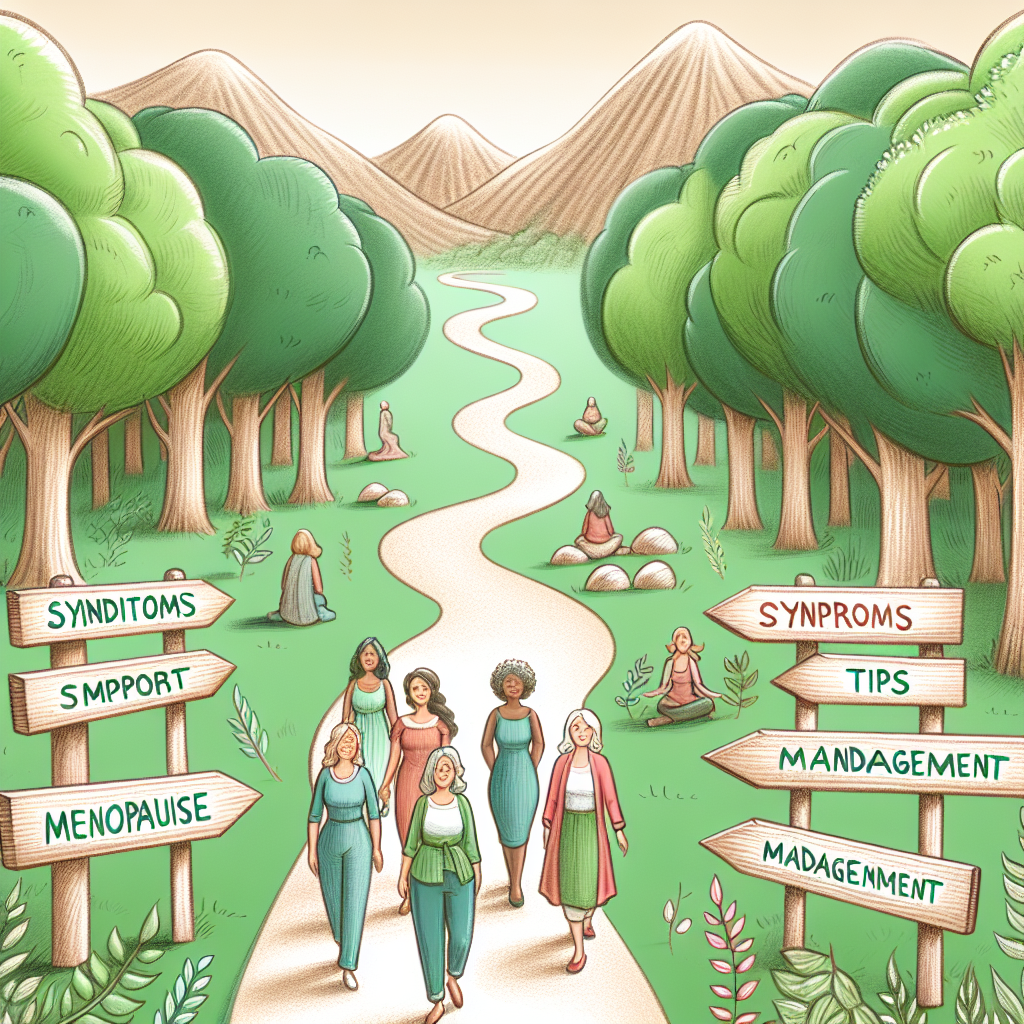
Embark on the Journey of Menopause with Humor and Grace!
Discover what to expect during this natural transition, from shifting cycles to hot flashes. Learn practical tips for thriving, embrace the silver linings, and find empowerment through knowledge.
Join a community of women navigating this transformative chapter together.
Navigating the Menopause Period: A Woman's Guide to Embracing the Change with Grace and Humor
Let's face it, ladies—the menopause period is like that uninvited guest who shows up at your party, rearranges your furniture, cranks up the thermostat, and refuses to tell you when they're leaving. But unlike that annoying houseguest, menopause is actually a natural and important transition in every woman's life. So, let's pour ourselves a glass of something refreshing (perhaps with ice to combat those hot flashes) and chat about this significant milestone that unites women across generations.
What Exactly Is the Menopause Period? Breaking Down the Basics
The term "menopause period" might sound like an oxymoron—after all, isn't menopause defined by the absence of periods? Well, yes and no. The menopause period refers to the entire transition phase, which includes perimenopause (the lead-up), menopause itself (officially marked when you've gone 12 consecutive months without a period), and postmenopause (the rest of your life after that milestone).
During the menopause period, your body gradually decreases its production of reproductive hormones, particularly estrogen and progesterone. This hormonal shift is responsible for the parade of symptoms that many women experience. According to the North American Menopause Society, the average age for reaching menopause is 51, but the perimenopausal transition can begin anywhere from your late 30s to mid-40s and last for several years.
The Menopause Period Symphony: Understanding the Changing Rhythms
Remember when your period was as predictable as your morning coffee routine? During the menopause period, particularly in perimenopause, your once-reliable menstrual cycle might start behaving like a temperamental artist—sometimes showing up early, sometimes late, sometimes heavy, sometimes light, and occasionally skipping performances altogether.
Dr. JoAnn Pinkerton, executive director of the North American Menopause Society, explains that these irregular periods during the menopause period are completely normal: "As ovarian function wanes, cycles can lengthen or shorten, and bleeding patterns can change. Some women may experience heavier flows, while others might notice lighter ones."
Here's what you might experience during this menopause period transition:
- Irregular periods: Your cycle length might vary from month to month
- Changes in flow: Some months might bring tsunami-level flooding, while others might be surprisingly light
- Different symptoms: PMS might intensify or change in character
- Skipped periods: You might go months without one, then suddenly—surprise!
Beyond the Bleeding: Other Calling Cards of the Menopause Period
While changing menstrual patterns are the headline act of the menopause period, they're accompanied by an ensemble cast of other symptoms that deserve attention:
Hot Flashes: Your Personal Summer
About 75% of women experience hot flashes during the menopause period. These sudden waves of heat can leave you feeling like you're standing in the Sahara at high noon—while everyone else around you is perfectly comfortable. They can last from a few seconds to several minutes and may be accompanied by redness, sweating, and an urgent desire to stand in front of an open freezer.
Sleep Disruptions: The Midnight Adventure Club
Between night sweats (hot flashes' nocturnal cousins) and hormonal changes affecting your sleep architecture, the menopause period often brings unwelcome sleep challenges. A 2017 study published in the Journal of Women's Health found that approximately 40-60% of women report sleep disturbances during their menopause period.
Mood Swings: The Emotional Roller Coaster
One minute you're laughing at a commercial, the next you're crying because your toast got too brown. The menopause period can bring emotional volatility that rivals your teenage years—except now you have the wisdom to recognize what's happening (small consolation when you're sobbing over a paper towel commercial).
Vaginal Changes: The Desert Down Under
As estrogen levels decline during the menopause period, vaginal tissues can become thinner, drier, and less elastic—a condition called vaginal atrophy. This can make intimacy uncomfortable and increase susceptibility to urinary tract infections.
Tracking Your Menopause Period Journey: Knowledge Is Power
Just as you may have tracked your menstrual cycle in your reproductive years, keeping tabs on your symptoms during the menopause period can be incredibly empowering. Several apps are specifically designed for women navigating this transition, allowing you to log symptoms, identify patterns, and share relevant information with healthcare providers.
Dr. Stephanie Faubion, medical director of the North American Menopause Society, recommends: "Tracking your symptoms during the menopause period helps both you and your healthcare provider understand your unique experience and tailor treatments accordingly."
The Menopause Period Survival Kit: Practical Tips for Thriving
For Irregular Periods and Heavy Bleeding
- Keep supplies everywhere—car, office, every purse you own
- Consider period underwear or menstrual cups for unpredictable flows
- Track your cycle, even when it seems pointless
- Discuss persistent heavy bleeding with your healthcare provider
For Hot Flashes During Your Menopause Period
- Dress in layers that can be easily removed
- Keep a portable fan in your purse (bonus: it makes you look mysterious and glamorous)
- Identify triggers like spicy foods, alcohol, or caffeine
- Practice paced breathing when you feel a flash coming on
For Sleep Disruptions
- Create a cool sleeping environment
- Establish a consistent bedtime routine
- Consider moisture-wicking pajamas
- Limit screen time before bed
For Mood Changes During the Menopause Period
- Prioritize self-care activities that boost your mood
- Consider mindfulness practices or meditation
- Connect with other women going through the menopause period
- Don't hesitate to discuss persistent mood issues with a healthcare provider
Medical Support During Your Menopause Period: When to Seek Help
While the menopause period is natural, you don't have to suffer through debilitating symptoms. A 2021 survey published in the journal Menopause found that many women don't discuss their menopause period symptoms with healthcare providers due to embarrassment or the belief that nothing can be done.
Consider consulting a healthcare provider if:
- Your periods become extremely heavy, prolonged, or occur after months of absence
- You experience bleeding between periods
- Your menopause period symptoms significantly impact your quality of life
- You have questions about managing specific symptoms
Treatment Options for Menopause Period Symptoms: Finding What Works for You
Hormone Therapy: The Traditional Approach
Hormone replacement therapy (HRT) remains one of the most effective treatments for many menopause period symptoms, particularly hot flashes and vaginal changes. Modern approaches to HRT are more personalized and often use lower doses than in the past.
Non-Hormonal Medications
For women who cannot or prefer not to use hormone therapy, several non-hormonal medications can help manage specific menopause period symptoms, from SSRIs for hot flashes to sleep aids for insomnia.
Lifestyle Approaches to the Menopause Period
Research published in the Journal of Midlife Health suggests that regular physical activity can reduce the frequency and severity of hot flashes and improve sleep quality during the menopause period. Additionally, dietary changes—such as reducing alcohol and caffeine consumption and increasing plant-based foods—may help manage symptoms.
The Silver Linings of the Menopause Period: Embracing the Positives
While we've focused on managing the challenges of the menopause period, let's not forget the benefits that come with this transition:
- Freedom from menstruation: No more monthly supplies, unexpected leaks, or period pain
- End of fertility concerns: Liberation from contraception worries
- Potential reduction in certain health risks: Some conditions, like endometriosis, often improve after menopause
- A new chapter of self-discovery: Many women report increased confidence and self-awareness during and after the menopause period
Cultural Perspectives on the Menopause Period: Changing the Narrative
The way we talk about the menopause period varies dramatically across cultures. While Western societies have historically viewed it primarily as a medical condition requiring management, many other cultures celebrate this transition as a passage to wisdom and elevated social status.
A fascinating study in the Journal of Cross-Cultural Gerontology found that Japanese women report fewer hot flashes during their menopause period than North American women, potentially due to dietary differences and cultural attitudes toward aging.
The Future of Menopause Period Research: What's on the Horizon
Exciting developments in menopause period research include:
- More personalized approaches to symptom management
- Better understanding of how the menopause period affects brain health
- Exploration of the role of gut microbiome in menopause period symptoms
- Development of new non-hormonal treatments
Conclusion: Your Menopause Period, Your Journey
The menopause period represents a significant transition—one that every woman who lives long enough will experience. While it comes with challenges, approaching this phase with knowledge, support, and even humor can transform it from something merely to be endured into an opportunity for growth and self-discovery.
Remember that your menopause period experience is uniquely yours. Some women sail through with minimal disruption, while others face more significant challenges. Neither experience is "correct"—they're simply different paths through the same natural transition.
So, as you navigate your menopause period journey, be gentle with yourself, stay informed, maintain open communication with healthcare providers, and perhaps most importantly, connect with other women who understand exactly what you're going through. After all, there's nothing quite like sharing hot flash stories to forge an immediate bond of sisterhood!
The menopause period may change many things, but it doesn't change who you are at your core—it simply adds another layer to your already rich and complex life story.





Symptoms
Explore a collection of our most outstanding pieces in this theme
