


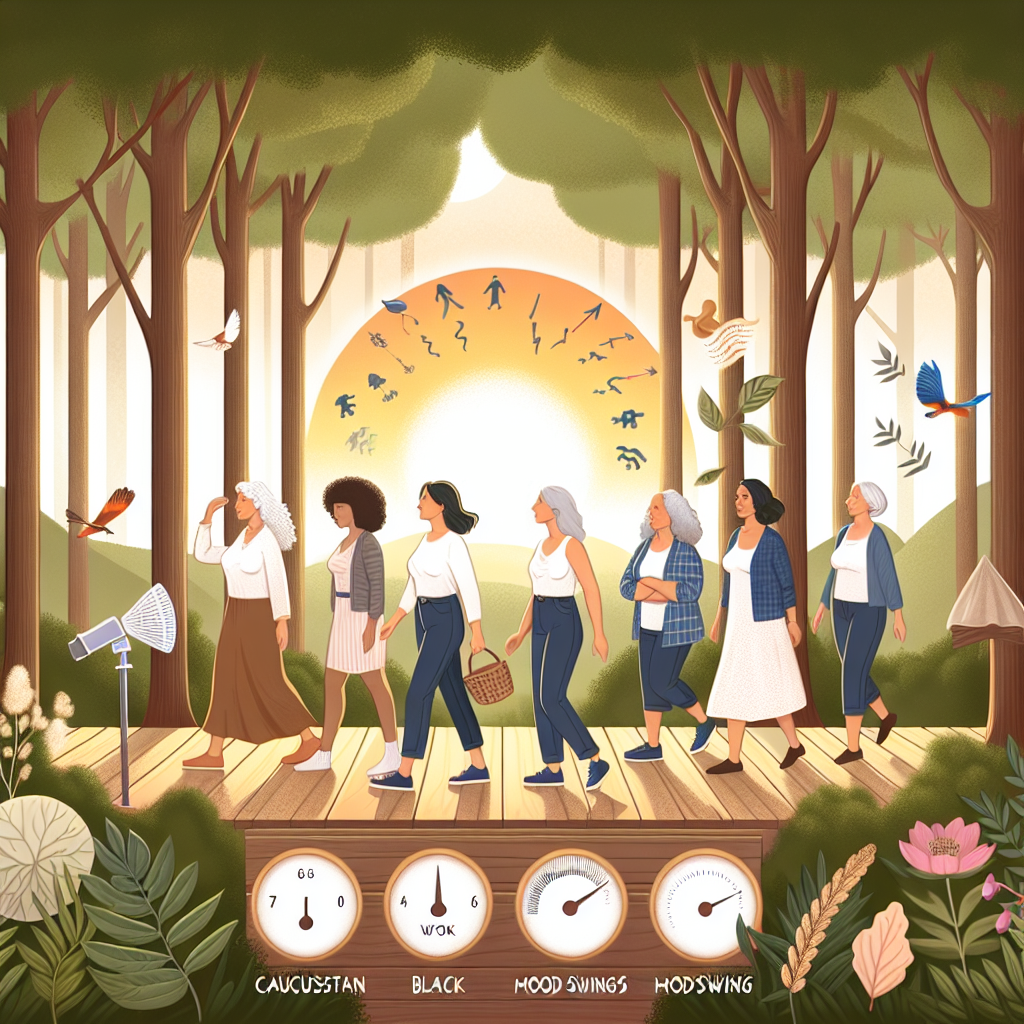
Join Us on a Humorous Journey Through Menopause!
Discover how to handle the infamous hot flashes, the emotional rollercoaster, and those pesky memory lapses with grace and laughter.
Embrace this transition with knowledge, support, and the wisdom that comes with age!
Navigating the Wild Ride: Understanding the Side Effects of Menopause with Humor and Grace
Ladies, buckle up! We're about to embark on a journey through the fascinating landscape of menopause—a natural transition that affects every woman differently, yet somehow manages to unite us in a collective "Is it hot in here, or is it just me?" moment. The side effects of menopause can feel like an uninvited guest who's overstayed their welcome, but with knowledge, support, and a healthy dose of humor, we can navigate this chapter with confidence and even a few laughs along the way.
What's Really Happening During Menopause?
Before we dive into the side effects of menopause, let's understand what's actually going on in our bodies. Menopause officially begins 12 months after your last period, typically occurring between ages 45 and 55. During this time, your ovaries gradually produce less estrogen and progesterone—hormones that regulate menstruation and influence everything from your bone density to your mood.
Think of it as your body's retirement party for your reproductive system. After decades of dutiful service, your ovaries are ready to kick back and relax. Unfortunately, they've invited some unwelcome party crashers in the form of various side effects of menopause.
The Hot Flash Files: When Your Internal Thermostat Goes Haywire
Perhaps the most infamous of all side effects of menopause is the hot flash—that sudden, intense wave of heat that can leave you looking like you've just completed a marathon in the Sahara. According to the North American Menopause Society, up to 75% of perimenopausal women experience hot flashes.
What exactly happens during a hot flash?
Your brain's hypothalamus—the body's thermostat—suddenly thinks you're overheating (even when you're not) and triggers an emergency cooling response. Blood vessels near your skin dilate, your heart rate increases, and you begin to sweat profusely. Minutes later, you might be shivering as your body temperature normalizes.
Hot flash survival tips:
- Layer your clothing (the "menopause uniform")
- Keep a portable fan in your purse (your new best friend)
- Identify and avoid your personal triggers (spicy foods, alcohol, and stress are common culprits)
- Practice deep breathing when you feel one coming on
Remember, when experiencing a hot flash in public, you have full permission to announce, "I'm not having a meltdown—I'm having a moment!" Humor is a powerful ally when dealing with the side effects of menopause.
The Sleep Thief: When Counting Sheep No Longer Works
Another challenging aspect of the side effects of menopause is sleep disruption. Just when you thought hot flashes during the day were enough to handle, they often make nighttime appearances too, aptly named "night sweats."
A 2020 study published in the Journal of Women's Health found that approximately 40-60% of menopausal women report sleep problems. Between night sweats, insomnia, and increased need to use the bathroom at night, getting quality sleep can feel like an Olympic event.
Sleep-saving strategies:
- Keep your bedroom cool (around 65°F/18°C is ideal)
- Use moisture-wicking pajamas and bedding
- Establish a relaxing bedtime routine
- Limit screen time before bed
- Consider a sleep tracking app to understand your patterns
When sleep eludes you, remember that you're not alone in this midnight club of menopausal women. Sometimes just acknowledging that these side effects of menopause are temporary can help ease the frustration.
The Mood Swing Carousel: Emotional Side Effects of Menopause
One minute you're laughing at a commercial, the next you're crying because someone ate the last cookie. Welcome to the emotional rollercoaster that can accompany the side effects of menopause.
Fluctuating hormone levels affect neurotransmitters in your brain, particularly serotonin, which helps regulate mood. This can lead to irritability, anxiety, and even depression in some women. A study in the journal Menopause found that women are two to four times more likely to experience a major depressive episode during perimenopause than at other times in their lives.
Mood management techniques:
- Regular physical activity (even a 10-minute walk can boost mood)
- Mindfulness meditation and deep breathing exercises
- Connecting with friends who understand what you're going through
- Considering therapy or counseling if mood changes significantly impact your quality of life
Remember, there's no shame in seeking help for the emotional side effects of menopause. You wouldn't hesitate to treat a physical symptom—emotional health deserves the same attention.
The Vanishing Moisture: Dealing with Dryness
As estrogen levels decline, one of the less discussed side effects of menopause is increased dryness—and not just in one area. From dry skin to dry eyes, and yes, vaginal dryness, this particular side effect can range from mildly annoying to genuinely uncomfortable.
Vaginal dryness affects approximately 50% of postmenopausal women according to the International Menopause Society, yet many women don't discuss it with their healthcare providers due to embarrassment.
Moisture-restoring remedies:
- Stay well-hydrated (your water bottle is now a fashion accessory)
- Use hypoallergenic, fragrance-free moisturizers for skin
- Consider over-the-counter eye drops for dry eyes
- Discuss vaginal moisturizers or lubricants with your healthcare provider
- Ask about low-dose vaginal estrogen options if appropriate
Remember, addressing vaginal dryness isn't just about comfort—it's about maintaining intimate health and relationships. The side effects of menopause shouldn't stand in the way of your quality of life.
The Foggy Brain Phenomenon: When Your Mental GPS Recalculates
"I walked into this room for a reason... what was it again?" If this sounds familiar, you might be experiencing what's colloquially known as "menopause brain fog"—another one of the side effects of menopause that can make you question your cognitive abilities.
Research published in Neurology suggests that the hormonal changes during menopause can temporarily affect memory and cognitive function. The good news? Studies show that these cognitive changes are generally temporary and don't increase your risk of dementia.
Brain fog busters:
- Make lists and use reminder apps (technology is your friend)
- Establish routines for commonly misplaced items
- Challenge your brain with puzzles, reading, or learning new skills
- Ensure adequate sleep (when possible)
- Consider mindfulness practices to improve focus
When you forget something, try laughing it off with "I'm not losing my mind—I'm just running a system update!" Humor can be a powerful tool when coping with the cognitive side effects of menopause.
The Weight Shift Mystery: When Your Body Decides to Redecorate
Many women notice changes in their weight and body composition during menopause. Even if the number on the scale doesn't change dramatically, you might find that your body has decided to redistribute weight, often favoring the midsection.
This isn't just about aesthetics—increased abdominal fat is associated with higher risks of cardiovascular disease and type 2 diabetes. A study in the Journal of Women's Health found that women gain an average of 1.5 pounds annually during the menopausal transition.
Weight management strategies:
- Focus on strength training to maintain muscle mass
- Prioritize protein in your diet to support metabolism
- Be mindful of portion sizes rather than restrictive dieting
- Stay physically active with activities you enjoy
- Consider working with a nutritionist familiar with menopause
Remember, the goal isn't to fight against your body's natural changes but to support your health during this transition. The side effects of menopause on your body composition are normal, but they can be managed with the right approach.
Beyond the Common Side Effects of Menopause: The Lesser-Known Guests
While hot flashes and mood swings get most of the attention, there are some lesser-discussed side effects of menopause that deserve mention:
- Joint pain: Estrogen helps reduce inflammation, so as levels decline, you might experience increased joint discomfort. Regular movement, anti-inflammatory foods, and proper hydration can help.
- Heart palpitations: Some women experience a racing or pounding heartbeat as a side effect of hormonal fluctuations. While usually harmless, always discuss new heart symptoms with your doctor.
- Changes in body odor: Hormonal shifts can affect your natural scent. If you suddenly find your favorite deodorant isn't cutting it, you're not imagining things!
- Thinning hair and brittle nails: Decreased estrogen can affect hair and nail growth. Nutrient-rich foods and proper hydration can support these structures from within.
- Increased allergies: Some women develop new sensitivities during menopause. If you suddenly can't tolerate foods or products you've always used, hormonal changes might be the culprit.
Embracing the Journey: Finding Your Menopause Tribe
One of the most powerful ways to navigate the side effects of menopause is to connect with other women experiencing the same transition. Whether through in-person support groups, online forums, or simply honest conversations with friends, sharing your experiences can provide validation, humor, and practical tips.
Remember, our mothers and grandmothers often didn't talk openly about the side effects of menopause. By breaking this silence, we're not only supporting ourselves but creating a more informed path for future generations.
When to Seek Professional Help for Side Effects of Menopause
While most side effects of menopause are manageable with lifestyle adjustments and time, some situations warrant a conversation with your healthcare provider:
- When hot flashes significantly disrupt your daily life or sleep
- If mood changes are severe or include thoughts of self-harm
- When vaginal dryness causes pain during intimacy
- If you experience bleeding after menopause has been established
- When side effects interfere with your quality of life
Your healthcare provider can discuss various treatment options, from lifestyle modifications to hormone therapy when appropriate. Remember, seeking help isn't admitting defeat—it's taking control of your health journey.
Conclusion: Reframing the Side Effects of Menopause
Rather than viewing the side effects of menopause as a list of complaints, consider them signals of a profound transition. Your body is adapting to a new hormonal landscape, and while the journey may be bumpy, it also offers opportunities for growth, self-discovery, and even wisdom.
Many women report that post-menopause brings a sense of freedom, confidence, and clarity that makes the challenging side effects of menopause worth weathering. As author Christiane Northrup famously said, "Menopause is an ending and a beginning—a time to assess what we have been, what we are now, and what we want to be."
So ladies, as we navigate the side effects of menopause together, let's do so with knowledge, support, and yes—a healthy dose of laughter. After all, we've earned every hot flash, forgotten word, and mood swing along the way. This isn't just another life phase—it's a badge of honor in our continuing journey as women.





Resources
Explore a collection of our most outstanding pieces in this theme
