


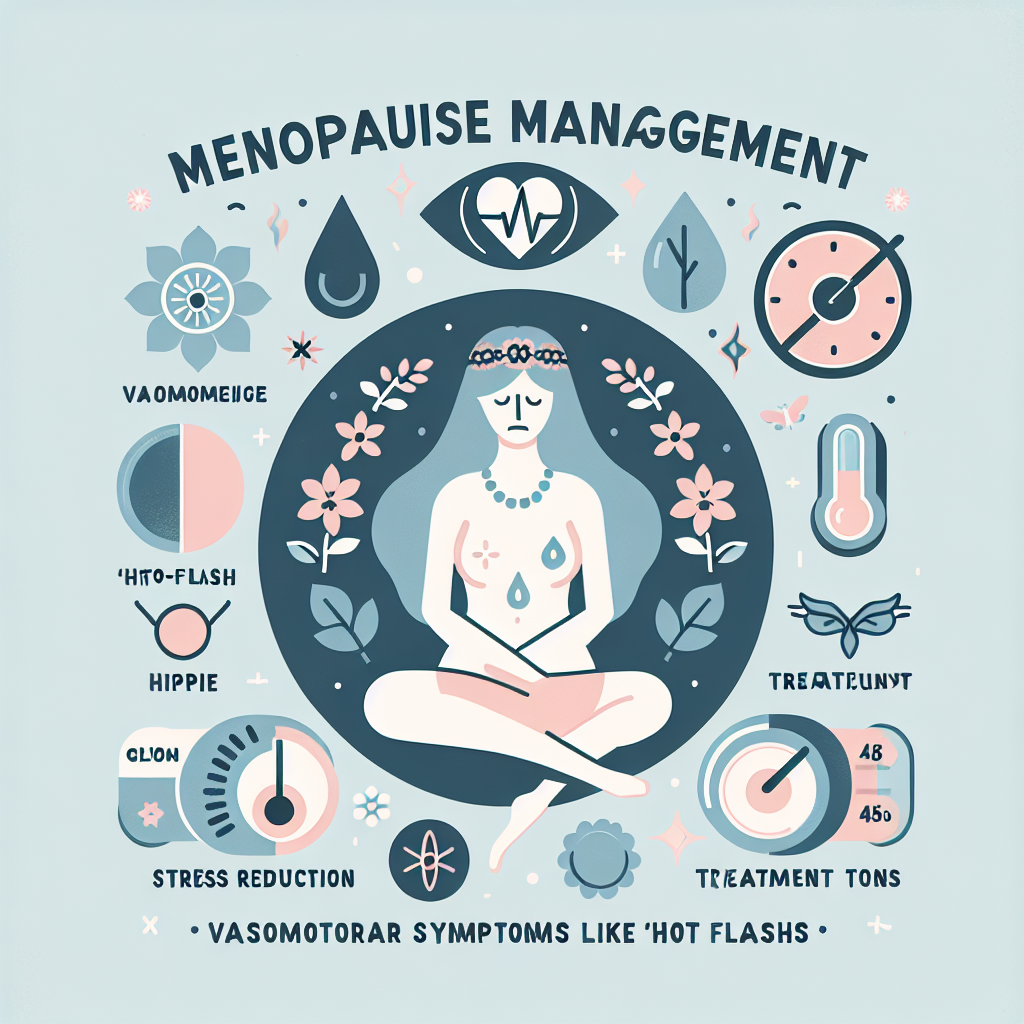
Navigating the World of Vasomotor Symptoms
Navigating the world of vasomotor symptoms can feel like a rollercoaster, especially when hot flashes and night sweats strike at the most inconvenient times.
Discover effective strategies, lifestyle tweaks, and medical options to manage these symptoms with grace and humor. Learn how to embrace this journey alongside millions of women just like you!
Vasomotor Symptoms: A Woman's Guide to Navigating Hot Flashes and Beyond
Have you ever been in the middle of an important meeting when suddenly your face feels like it's on fire, sweat starts beading on your forehead, and you're frantically looking for anything that could possibly function as a fan? If so, welcome to the wonderful world of vasomotor symptoms! Don't worry – you're in good company with millions of women worldwide who experience these sudden temperature tantrums.
What in the World Are Vasomotor Symptoms?
Let's start with the basics. The term "vasomotor" might sound like a fancy sports car, but it actually refers to the nerves and muscles that control the constriction and dilation of your blood vessels. When these blood vessels expand, blood flow increases to certain areas of your body, creating that oh-so-delightful sensation of heat rushing to your face, neck, and chest.
Vasomotor symptoms are most commonly associated with menopause, but they can appear during other hormonal transitions too. The most famous vasomotor symptom? The hot flash – that unexpected wave of heat that can leave you looking like you've just completed a marathon when you've actually just been sitting at your desk.
According to a study published in the Journal of Women's Health, up to 80% of women experience vasomotor symptoms during menopause, making these hot episodes one of the most common complaints during this life transition.
The Vasomotor Symphony: More Than Just Hot Flashes
While hot flashes might be the star of the vasomotor show, they're not the only players in this hormonal orchestra:
1. Night Sweats: Hot Flashes' Nocturnal Cousin
Night sweats are essentially hot flashes that rudely interrupt your beauty sleep. You might wake up feeling like you've gone swimming in your pajamas. These nighttime vasomotor episodes can significantly impact sleep quality, leaving many women feeling exhausted during the day.
2. Heart Palpitations: The Drum Solo You Didn't Ask For
Sometimes vasomotor symptoms include heart palpitations – that sensation that your heart is beating faster or harder than usual. While usually harmless, they can certainly add to the drama of the moment.
3. Headaches: The Unwelcome Encore
Changes in blood vessel dilation (there's that vasomotor action again!) can trigger headaches in some women. These vasomotor-related headaches often coincide with hormonal fluctuations.
The Science Behind the Sizzle: Why Vasomotor Symptoms Happen
Let's get a little nerdy for a moment. Vasomotor symptoms occur because of changes in the hypothalamus – your brain's temperature control center. Think of it as your body's internal thermostat going haywire.
During hormonal transitions like menopause, fluctuating estrogen levels confuse this thermostat. Your hypothalamus mistakenly believes you're overheating, so it triggers a series of cooling mechanisms: your blood vessels dilate (hello, vasomotor response!), your heart rate increases, and your sweat glands activate.
The result? You're suddenly radiating enough heat to warm a small village while frantically peeling off layers of clothing.
Research published in Menopause: The Journal of The North American Menopause Society suggests that women with more frequent vasomotor symptoms may actually have a narrower thermoneutral zone – the temperature range where your body doesn't need to activate heating or cooling mechanisms.
Tracking Your Vasomotor Moments: Knowledge is Power
Before we dive into management strategies, it's helpful to understand your personal vasomotor pattern. Consider keeping a symptom diary for a few weeks, noting:
- Time of day when symptoms occur
- Duration and intensity
- Potential triggers (spicy foods, alcohol, stress, etc.)
- What provides relief
This information can be invaluable when discussing treatment options with your healthcare provider and identifying your personal vasomotor triggers.
Lifestyle Tweaks to Tame Vasomotor Tantrums
While we can't completely eliminate vasomotor symptoms, we can certainly make them less disruptive. Here are some strategies that don't require a prescription:
Dress in Layers: Your Fashion-Forward Defense
Layering isn't just stylish – it's a practical vasomotor management strategy! Lightweight, breathable fabrics that you can easily remove when a hot flash strikes are your new best friends. Consider keeping a cardigan or light jacket at work that you can remove when the vasomotor volcano erupts.
Mind Your Menu: Food and Vasomotor Symptoms
Certain foods and beverages are known to trigger vasomotor symptoms in many women:
- Spicy foods (sadly, that extra-hot curry might need to be toned down)
- Alcohol (especially red wine)
- Caffeine (your morning coffee might be contributing to those mid-morning hot flashes)
- Very hot foods and drinks (they can trick your body's temperature sensors)
A study in the Journal of the North American Menopause Society found that women who consumed more sugary or spicy foods reported more frequent vasomotor symptoms than those who followed a Mediterranean-style diet rich in fruits, vegetables, whole grains, and lean proteins.
Cool Down Techniques: Your Vasomotor First Aid Kit
When a vasomotor moment strikes, these quick cooling strategies can help:
- Keep a small portable fan in your purse or desk drawer
- Sip cold water (keep a bottle handy)
- Apply a cool cloth to your wrists, neck, or forehead
- Practice "paced breathing" – slow, deep breaths from your diaphragm
The Mind-Body Connection: How Stress Affects Vasomotor Symptoms
Stress and vasomotor symptoms have a complicated relationship. Stress can trigger vasomotor episodes, and vasomotor episodes can certainly cause stress – talk about a vicious cycle!
Research published in Women's Health Issues found that women who practiced stress-reduction techniques experienced fewer and less severe vasomotor symptoms. Consider incorporating some of these practices into your routine:
Mindfulness Meditation: Zen and the Art of Vasomotor Management
Taking just 10-15 minutes daily to practice mindfulness meditation can help reduce the frequency and intensity of vasomotor symptoms. Apps like Calm or Headspace offer guided meditations specifically designed for women experiencing menopausal symptoms.
Yoga: Stretching Away Vasomotor Stress
Certain yoga poses and breathing techniques have been shown to reduce vasomotor symptoms. A study in the journal Menopause found that women who practiced yoga regularly reported a 31% decrease in hot flashes and other vasomotor symptoms.
Acupuncture: Ancient Wisdom for Modern Vasomotor Woes
Some women find relief from vasomotor symptoms through acupuncture. A systematic review published in the Journal of Alternative and Complementary Medicine suggested that acupuncture may help reduce the frequency and severity of hot flashes and other vasomotor symptoms.
When to Talk to Your Doctor About Vasomotor Symptoms
While vasomotor symptoms are usually a normal part of hormonal transitions, sometimes they warrant a conversation with your healthcare provider:
- If symptoms are severely impacting your quality of life
- If symptoms begin suddenly and unexpectedly
- If symptoms are accompanied by other concerning issues
- If you're experiencing vasomotor symptoms but are not in a typical age range for menopause
Medical Approaches to Managing Vasomotor Symptoms
If lifestyle modifications aren't providing enough relief from your vasomotor symptoms, several medical options are available:
Hormone Therapy: The Traditional Approach
Hormone replacement therapy (HRT) remains the most effective treatment for vasomotor symptoms. By replacing the estrogen your body is no longer producing, HRT can significantly reduce hot flashes and other vasomotor symptoms.
However, HRT isn't right for everyone. Your doctor will consider your medical history, family history, and personal risk factors before recommending this option.
Non-Hormonal Medications: Alternative Options
For women who can't or prefer not to use hormone therapy, several non-hormonal medications can help manage vasomotor symptoms:
- Certain antidepressants (particularly SSRIs and SNRIs)
- Gabapentin (an anti-seizure medication that has shown effectiveness for vasomotor symptoms)
- Clonidine (originally a blood pressure medication)
A study in JAMA Internal Medicine found that low doses of certain antidepressants reduced vasomotor symptoms by up to 65% in some women.
Herbal Remedies: Nature's Approach to Vasomotor Relief
Some women turn to natural remedies for vasomotor symptom relief. While scientific evidence varies, these are among the most commonly used:
Black Cohosh: The Popular Choice
Black cohosh is one of the most studied herbs for vasomotor symptoms. Some women report significant relief, though clinical studies show mixed results.
Phytoestrogens: Plant-Based Estrogens
Found in foods like soy, flaxseeds, and chickpeas, phytoestrogens are plant compounds that mimic estrogen in the body. Some studies suggest they may help reduce vasomotor symptoms, particularly in Asian populations where soy consumption is higher.
Always consult with your healthcare provider before starting any herbal supplement, as they can interact with medications and aren't appropriate for everyone.
Embracing the Vasomotor Journey with Humor and Grace
While vasomotor symptoms can certainly be challenging, maintaining a sense of humor can help. After all, there's something slightly comical about suddenly turning into a human furnace during an important presentation!
Many women find that connecting with others experiencing similar symptoms provides both emotional support and practical tips. Consider joining a menopause support group, either in-person or online, where you can share your vasomotor adventures and learn from others.
The Silver Lining of Vasomotor Symptoms
Believe it or not, there might actually be some good news hidden in your hot flashes. A study published in the journal Menopause found that women who experienced vasomotor symptoms had a lower risk of cardiovascular disease, breast cancer, and hip fractures compared to those who didn't.
While researchers are still investigating these connections, it's a nice reminder that our bodies' quirks sometimes serve purposes we don't immediately understand.
Conclusion: Your Vasomotor Voyage
Vasomotor symptoms are a normal part of many women's lives, particularly during hormonal transitions. By understanding what triggers your symptoms and exploring various management strategies, you can navigate this journey with confidence and even a bit of humor.
Remember that vasomotor symptoms, like all aspects of menopause, are temporary. Though they may last several years, they do eventually subside for most women. In the meantime, be kind to yourself, stay cool (literally and figuratively), and know that you're in good company with millions of women worldwide who are also fanning themselves at inappropriate moments!






Symptoms
Explore a collection of our most outstanding pieces in this theme
